
Short introduction
This article focuses on "Anonymity and Forwarding Strategies to Interpret the Information Flow Control of Thailand's HTTP Proxy Server". It outlines the trade-offs between privacy, routing and compliance of Thailand's HTTP proxy, helping architects and operation and maintenance personnel understand key control points and optimization directions.
Overview of Thailand HTTP proxy server
Deploying HTTP proxy servers in Thailand is often used for geo-targeting, access control, and traffic optimization. Combining local network conditions and GEO requirements, the proxy can serve as an intermediary layer to implement unified routing, cache static content, and reduce cross-border access delays.
Anonymity level and privacy protection
Anonymity levels are usually divided into three categories: transparent, anonymous and high-anonymity. Different levels affect whether the client IP is leaked and the retention and modification of header information. The balance between privacy requirements and business identification capabilities needs to be clearly defined during design.
Forwarding policy types and implementation
Common forwarding strategies include direct forwarding, chain proxy, reverse proxy, and rule-based routing. Policy selection should consider load balancing, failover, and whether precise flow control is required by source or destination.
Information flow control mechanism
Information flow control can be achieved through access control lists, routing policies, DNS hijacking and header rewriting. Effective control requires a combination of traffic classification, session retention, and log auditing to ensure traceability and consistency in policy execution.
Impact on network compliance and performance
When operating a proxy in Thailand, you need to take into account local regulations and data sovereignty requirements, and pay attention to the impact of TLS termination, caching policies, and bandwidth allocation on latency and throughput. Compliance and performance optimization should be designed in parallel and evaluated regularly.
Summary and suggestions
It is recommended to clarify anonymity requirements and compliance boundaries first, and then choose appropriate forwarding strategies and control mechanisms. Continuously monitor traffic and logs, regularly test policy effectiveness, and build flexibility into the design to cope with geographic and business changes.
- Latest articles
- Long-term Procurement Strategy. How Much Is The Price Of Korean Native IP? Discount Plan For Ordering According To Quantity.
- Deployment Recommendations On How To Quickly Access US Vps Airport Services On Personal Devices
- How Foton Hong Kong’s Server Cluster Helps Provide Low-latency Experience For Live Streaming And Gaming Services
- The Advantages Of Small And Medium-sized Enterprises Choosing Hong Kong Server Hosting Are Reflected In Cost And Bandwidth
- How To Evaluate And Choose The Singapore High-speed Server Bandwidth Level Suitable For Your Business
- How Enterprises Choose Korean Sk Cloud Server Performance Requirements And Budget Matching Skills
- How Enterprises Choose The Most Suitable Vietnam Vps Cn2 Host And Global Optimization Strategy
- How Long Should A Malaysian Vps Trial Be Used? Key Points Of The Appropriate Bandwidth And Traffic Inspection
- Anonymity And Forwarding Strategies Explain The Information Flow Control Of Thailand Http Proxy Server
- Alibaba Hong Kong Server Billing Model And Traffic Control Practical Tips For Saving Money
- Popular tags
-

Construction Standards And Industry Status Of Data Room In Thailand
This article discusses the construction standards and industry status of data rooms in Thailand, analyzes market development trends and future directions, and is suitable for professionals engaged in the IT and data center industries. -
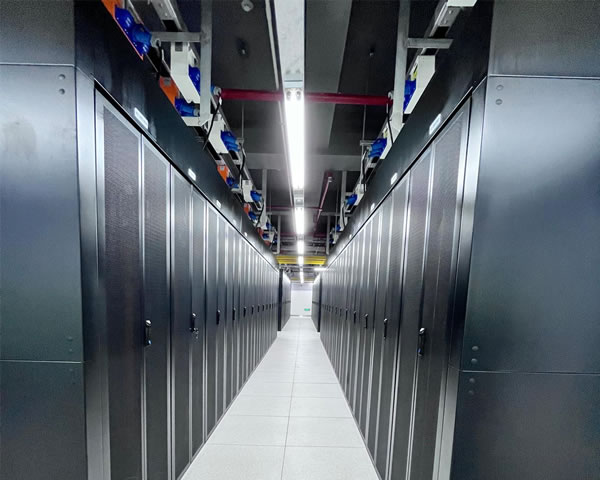
Explore Practical Tutorials On Building Computer Rooms In Thailand To Improve Construction Efficiency
explore practical tutorials on building computer rooms in thailand, provide efficient construction solutions, and improve the operational efficiency of data centers. -

Detailed Explanation Of The Steps And Fees For Renting A Thai Server
This article details the steps and fees for renting a Thai server to help you better choose the right server service.